Introduction
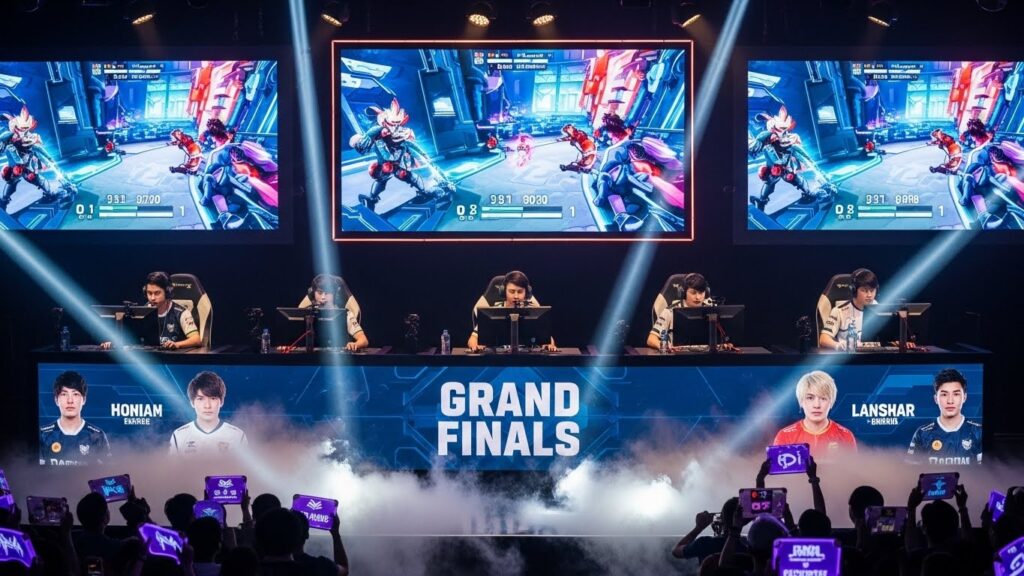
eSports, or electronic sports, has evolved from a hobby for avid gamers to a global, multi-billion-dollar industry. What was once a niche pastime is now one of the most popular forms of entertainment worldwide. Competitive gaming has captured the attention of millions, not only as a source of entertainment but as a legitimate career path for professional players, coaches, and broadcasters. With professional tournaments, sponsorship deals, and a dedicated fan base, eSports has firmly established itself as a cultural and economic force.
The explosive growth of eSports has been accompanied by rapid technological advancements, an increase in mobile gaming, and widespread access to high-speed internet. From large-scale tournaments that attract thousands of spectators to live-streaming platforms that allow players to share their gaming experiences with millions, the evolution of eSports has been nothing short of remarkable. But what exactly is driving this meteoric rise, and what does the future hold for eSports as both a competitive arena and an entertainment medium?
The Origins of eSports
Competitive gaming can be traced back to the 1970s and 1980s when arcade machines became popular. Early games like “Pong” and “Space Invaders” had competitive elements that encouraged players to compete for high scores. In 1980, one of the first major competitive gaming events was held in the form of the “Space Invaders Championship,” drawing thousands of players across the United States. However, it wasn’t until the early 1990s that eSports truly began to take shape with the advent of PC gaming and the creation of online multiplayer games.
One of the pivotal moments in the history of eSports came in the late 1990s with the release of games like “Quake” and “StarCraft.” These games featured real-time multiplayer modes that allowed players to face off in head-to-head competition over the internet. The early 2000s saw the rise of professional leagues and tournaments, especially in countries like South Korea, where “StarCraft” became a national obsession. Major tournaments were held in arenas, and televised broadcasts of eSports events became commonplace.
The 2010s marked the true global expansion of eSports, with major games like “League of Legends,” “Dota 2,” “Overwatch,” and “Fortnite” leading the charge. The proliferation of live streaming platforms such as Twitch allowed gamers to broadcast their skills to a global audience, while organizations like ESL (Electronic Sports League) and DreamHack began organizing large-scale events that attracted millions of viewers. eSports was no longer just a hobby; it was a cultural phenomenon.
The Structure of eSports Today
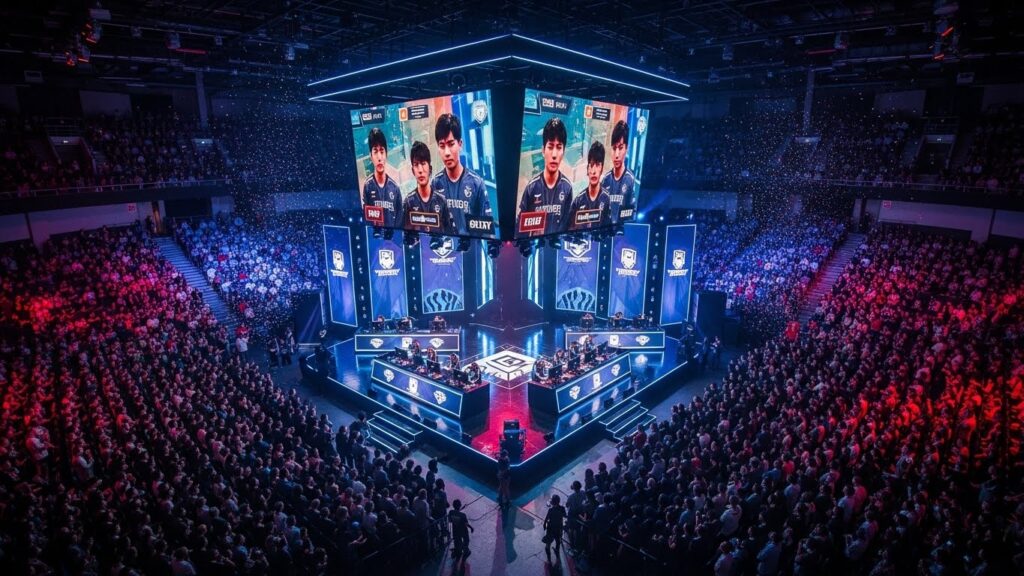
eSports has become a highly organized, professional industry, with a structure similar to traditional sports leagues. This structure includes professional players, teams, coaches, analysts, and commentators. The most prominent eSports tournaments are organized by game developers, independent organizations, and established gaming companies. These tournaments are often streamed live and attract large audiences, both online and in-person.
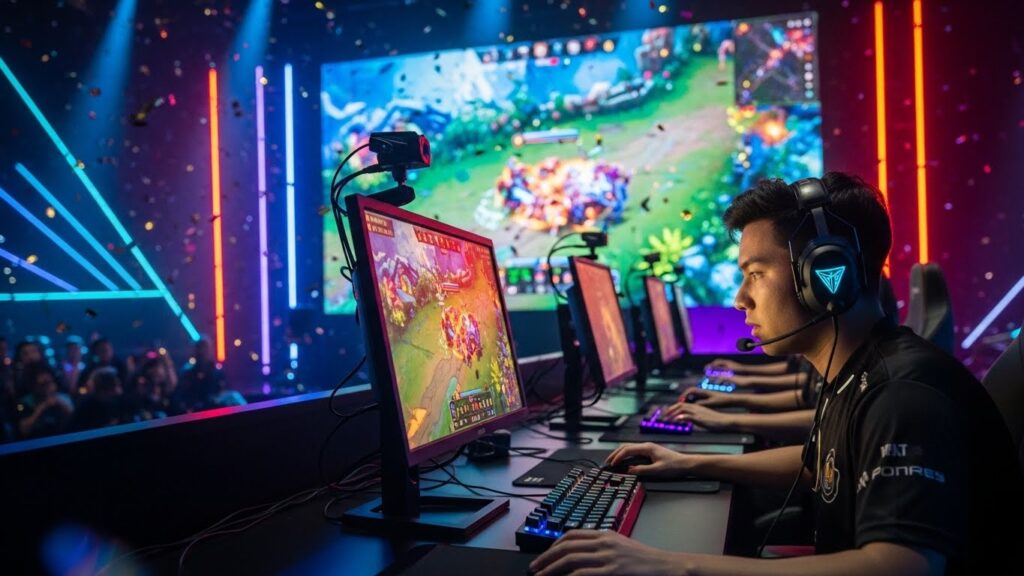
One of the defining features of eSports is its accessibility. Unlike traditional sports, which may require expensive equipment or facilities, eSports only requires a computer or gaming console and an internet connection. This accessibility has made eSports appealing to a broad range of individuals, from casual gamers to highly skilled professionals.
Tournaments and Leagues: Many eSports games now feature professional leagues, with regular seasons and playoffs culminating in major championship events. For example, the “League of Legends World Championship” (often referred to as Worlds) is one of the most prestigious tournaments in the eSports world. Similarly, “The International,” a “Dota 2” tournament, boasts one of the largest prize pools in competitive gaming, often exceeding $30 million.
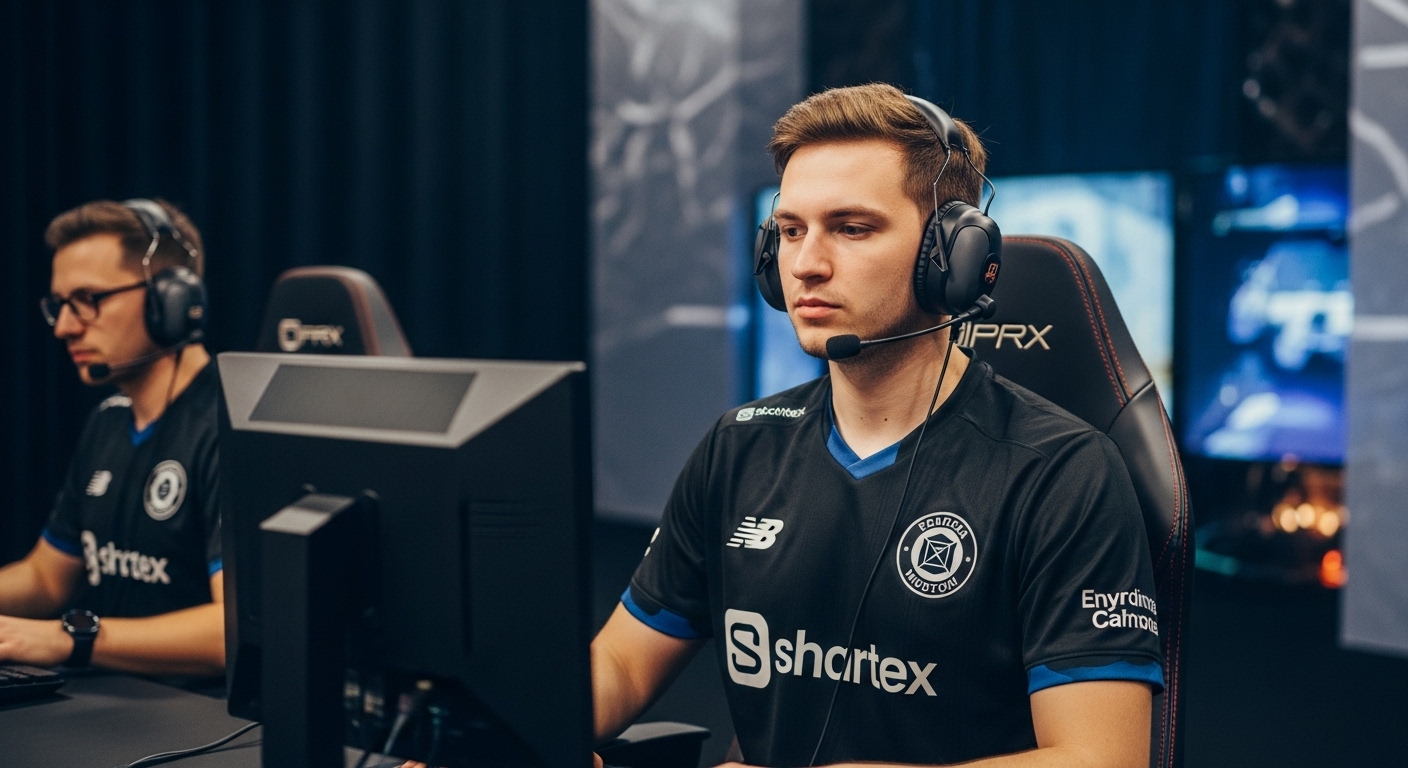
Teams and Players: Just like traditional sports, eSports has professional teams and players who compete in these tournaments. Teams often consist of five to six players, each specializing in a specific role or strategy within the game. Some of the most well-known eSports organizations include Team Liquid, Cloud9, T1, and Fnatic. These teams are sponsored by major corporations and feature players who are skilled in the game they compete in. The competition is fierce, and players often train for hours each day to refine their skills.
Commentators and Analysts: In addition to players, there is an entire ecosystem of professionals who help make eSports events engaging for viewers. Commentators and analysts provide live coverage and in-depth analysis of matches, helping viewers understand the strategies and tactics behind each game. These roles are critical in making eSports more accessible to a wider audience, including those who may not be familiar with the game itself.
The Economics of eSports
eSports has grown into a multi-billion-dollar industry, and its economic impact is substantial. The rise of streaming platforms, sponsorships, and advertising revenue has transformed eSports into a profitable enterprise. A major factor in eSports’ financial success has been the influx of investments from large corporations and brands seeking to connect with the highly engaged gaming demographic.
Sponsorships and Advertising: Just like traditional sports, eSports tournaments attract sponsors looking to market their products to an engaged audience. Tech companies such as Intel and Nvidia, energy drink brands like Red Bull, and gaming hardware manufacturers such as Razer have all become prominent sponsors in the eSports scene. These companies invest heavily in sponsorships to promote their products and gain visibility among eSports enthusiasts.
Prize Pools and Earnings: Many eSports tournaments offer huge prize pools, attracting top-tier players and teams. For instance, the prize pool for “The International” has surpassed $30 million in recent years, with winning teams taking home millions of dollars. Professional players can earn substantial salaries from tournament winnings, sponsorships, and streaming revenue. Some of the highest-paid eSports players make millions of dollars per year, rivaling the salaries of traditional sports athletes.
Streaming and Content Creation: The advent of live streaming platforms like Twitch, YouTube Gaming, and Facebook Gaming has created a new avenue for revenue in eSports. Gamers can broadcast their gameplay, interact with viewers in real-time, and earn money through subscriptions, donations, and ad revenue. Top streamers such as Ninja, Shroud, and Pokimane have become household names in the gaming community, amassing millions of followers and generating significant income from their channels.
Merchandise and Licensing: eSports organizations and players also generate revenue from merchandise sales and licensing deals. Fans can purchase team jerseys, hats, and other branded products, while the teams themselves earn a portion of the revenue. This is similar to how traditional sports teams sell merchandise and licensing rights for their logos and branding.
The Cultural Impact of eSports
The cultural impact of eSports is undeniable. Competitive gaming has become a mainstream activity, with millions of people tuning in to watch live streams or attend tournaments in person. As eSports continues to grow, it is becoming a dominant force in the entertainment industry, often rivaling traditional sports in terms of viewership.
Global Reach: One of the most striking aspects of eSports is its global nature. Major tournaments are watched by fans all over the world, regardless of location or language. The rise of live streaming platforms and the accessibility of games has allowed eSports to break down geographical barriers and bring together fans from all corners of the globe. Fans in South Korea can watch the same tournament as fans in Brazil, and communities can form around shared interests in specific games.
Social Media and Streaming: The rise of social media and streaming platforms has played a huge role in the success of eSports. Platforms like Twitch and YouTube allow players to stream their gameplay and interact with their fans in real-time. Social media platforms such as Twitter, Instagram, and Reddit allow fans to follow their favorite players, teams, and tournaments, creating a 24/7 ecosystem of content and engagement. This constant interaction between players and fans has fostered a strong sense of community within the eSports world.
Mainstream Recognition: eSports has become increasingly recognized in mainstream media. The coverage of major tournaments on traditional television networks, the creation of eSports-specific TV channels, and the addition of eSports as a demonstration event in the 2024 Paris Olympics are signs that eSports is achieving broader recognition. Competitive gaming is now seen as a legitimate form of entertainment, attracting sponsorships, media attention, and new fans.
Challenges and Controversies
Despite its rapid growth, eSports faces several challenges and controversies that could impact its future.
Mental and Physical Health: The demanding training schedules, long hours spent in front of screens, and the pressures of competition have raised concerns about the mental and physical health of professional gamers. Some players have experienced burnout, depression, and physical ailments related to prolonged gaming sessions, such as carpal tunnel syndrome. The industry is beginning to address these issues by providing better support for players’ health and well-being.
Toxicity and Cheating: The competitive nature of eSports can sometimes lead to toxic behavior, including verbal abuse and cheating. Many games have implemented anti-cheat systems and moderated player communities to combat this issue, but toxicity remains a problem in some areas. Creating a healthy and respectful environment for players and fans alike is crucial for the long-term sustainability of eSports.
Sustainability and Longevity: While eSports has enjoyed rapid growth, some question whether it can sustain its current trajectory. The industry is heavily dependent on sponsorships, advertising, and a loyal fan base. If these revenue streams were to decline or if interest waned, it could impact the financial stability of eSports. Continued innovation and adaptation to changing technology and viewer habits will be necessary to keep the industry thriving.